
Continuous Residence and Physical Presence Requirements in Naturalization Cases
Applying for naturalization is the final step in the long road to become a U.S. citizen. The naturalization application includes many legal requirements. Two of the most critical are the continuous residence and physical presence requirements. While the terms may sound similar, they are distinct legal concepts. To ensure the highest chance of success and avoid unwanted delays, applicants must accurately understand the two requirements and gather proper documentation. Here at Baibak Law, we understand the nuances of these requirements and can help guide you through the complex naturalization process with confidence.

What is the “Continuous Residence” requirement?
“Continuous Residence” means that the applicant has maintained residence in the U.S. for the required period of time. For most applicants, this means that they have resided continuously in the U.S. for five years before applying for naturalization. If applying for naturalization based on being a qualified spouse of a U.S. citizen, the applicant must have resided continuously in the U.S. for three years before applying.
What does “residence” mean?
“Residence” here refers to the applicant’s actual physical location, not his or her intended living place.
What disrupts Continuous Residence?
Generally, short vacations or temporary absences from the U.S. do not break continuous residence. However, extended trips outside the U.S. can disrupt continuous residence. Specifically, trips outside the U.S. for more than six months – but less than one year – create a presumption that the applicant’s continuous residence has been broken. To overcome this presumption, you must show that you continued to maintain a home and life in the U.S. This can be demonstrated by maintaining U.S. employment, continuing a lease or mortgage, your immediate family members remaining in the U.S., etc.
Absences outside the U.S. of one year or more automatically break continuous residence. In this case, there is no way to overcome the break in continuity. The continuous residence clock restarts on the day the applicant re-enters the U.S.
Are there any other residence requirements?
Yes. In addition to continuous residence, you must also show that you have resided in the current U.S. district or state where you claim residence for at least three months before applying for naturalization

What is the “Physical Presence” requirement?
While continuous residence asks if you have maintained a permanent home in the U.S., physical presence asks if you actually live in the U.S. and have developed meaningful ties to America.
To meet the physical presence requirement, applicants must show that they have been physically present in the U.S. for at least half of the time required for the continuous residence period. For most, this means that you must be physically present in the U.S. for thirty months within the five-year period before applying for naturalization. Qualified spouses of U.S. citizens, on the other hand, must be physically present in the U.S. for eighteen months within the three-year period before applying.
How do you calculate physical presence?
To calculate your physical presence, first start with the total residence period. Then subtract everyday spent outside the U.S. The final number of days spent in the U.S. must equal or exceed the minimum physical presence requirement. Accuracy here matters. Applicants should use precise travel dates, gathering information from passport stamps, flight itineraries, and other travel records.
Are there any exceptions to the physical presence requirement?
Yes. There are limited exceptions to the physical presence requirement for those working abroad for:
The U.S. government
Contractors of the U.S. government
The U.S. military
A recognized American institution of research
A public international organization
An organization designated under the International Immunities Act
Certain religious denominations or missions with bona fide organizations in the U.S.
To preserve one’s physical presence while working for one of the above instructions, the applicant must file Form N-470, Application to Preserve Residence for Naturalization Purposes with U.S. Citizenship and Immigration Services (USCIS).
How do you prove continuous residence and physical presence?
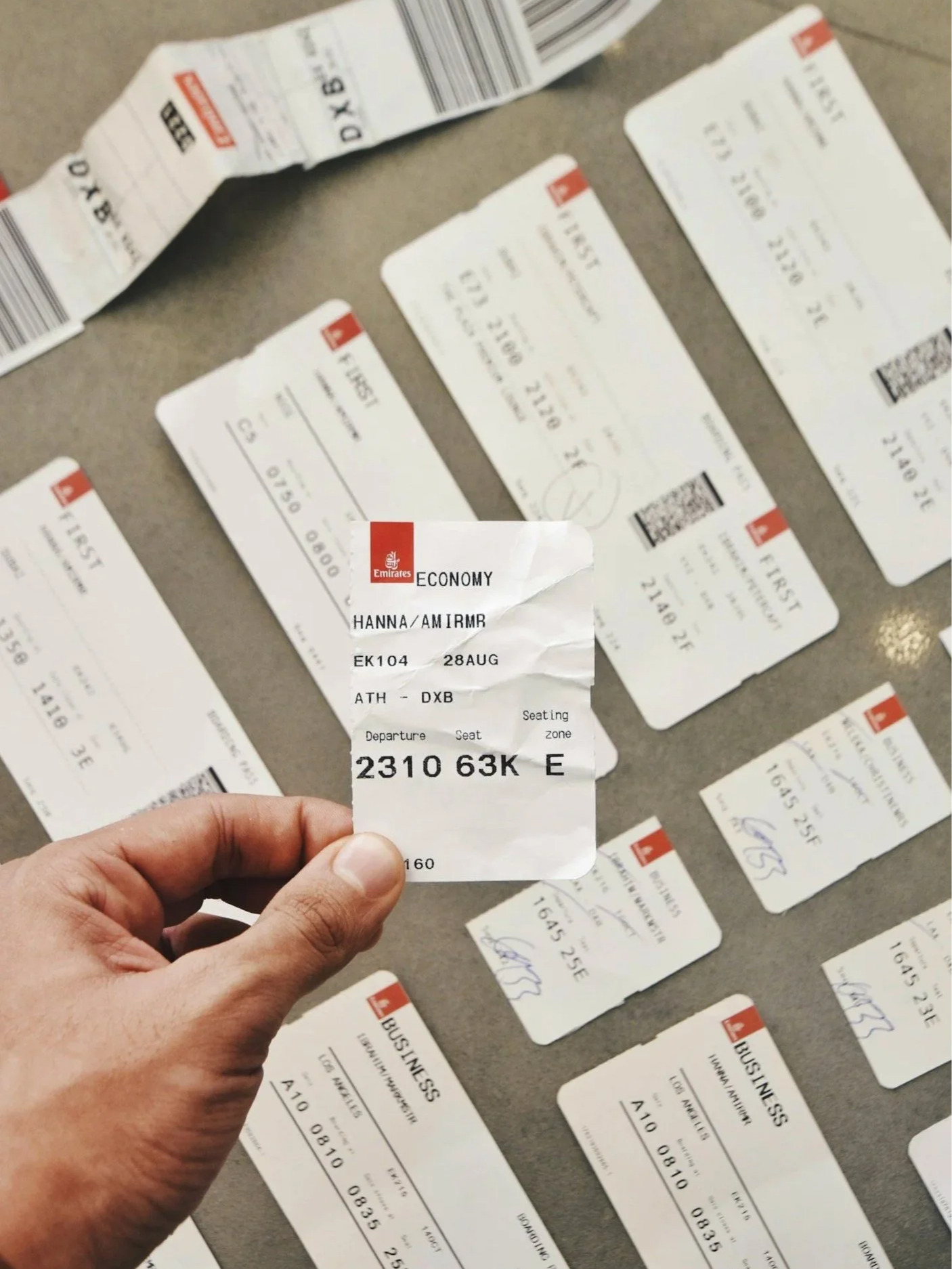
USCIS officers will carefully review your naturalization application to ensure that you satisfy the continuous residence and physical presence requirements. Strong documentation at the application and interview stage is paramount. You can show physical presence with evidence such as:
Passport stamps
Flight itineraries
Boarding passes
Bank statements showing foreign transactions
Boarding crossing records
Continuous residence can be documented with many kinds of evidence, including:
Employment records showing work for a U.S. company while abroad
Pay stubs to show regular income from a U.S. employer
Federal tax returns
W-2s and 1099s
Lease agreements
Utility bills
Records should be carefully kept and organized chronologically.
Is it possible to meet one requirement but not the other?
Yes. It is possible to maintain continuous residence but fail the physical presence requirement if you spend too much time outside the U.S. Every trip abroad reduces your total physical presence. Frequent short trips abroad can add up. This is why it is necessary to carefully track each trip abroad, no matter how brief, when calculating physical presence.
What are some common problems in meeting the continuous residence and physical presence requirements?
Sometimes work requires frequent international travel. When travel abroad is an essential part of your job, it can be helpful to gather employment documents showing that the trips abroad were job requirements and not personal decisions.
Similarly, sometimes family emergencies or personal health issues require long absences from the U.S. While USCIS officers may be sympathetic to the circumstances, the days abroad still count against your continuous residence and physical presence. It can be beneficial to gather careful records of the situation that required you to travel abroad. These records can help provide context and show your continued ties to the U.S. despite the unwanted absence.
How soon can I apply for naturalization?
You can apply for naturalization up to 90 days before you meet the continuous residence and physical presence requirements. However, you must satisfy the full requirements by your interview date.

Do I need to hire a lawyer to apply for naturalization?
While you are not legally required to file your application for naturalization with an attorney, working with trusted legal counsel is advisable. First, when preparing to file your application, you need to determine if you have satisfied the continuous residence and physical presence requirements. Many applicants have incomplete travel records and may need legal assistance requesting records from international airlines or Customs and Border Protection. At times, upon reviewing these records, it becomes apparent that the applicant has not satisfied the physical presence requirement and may need legal assistance adjusting the timing of his or her application. In other instances, the applicant has satisfied the physical presence requirement but has created a presumption of a break in continuous residence due to prolonged international travel. In this case, a seasoned lawyer can help you gather careful records detailing your maintained ties to the U.S.
Here at Baibak Law we can help you evaluate your unique travel history, identify potential issues, and carefully prepare a robust record for your N-400, Application for Naturalization. In this way, we can help you avoid costly delays or denials and achieve your ultimate goal: U.S. citizenship. If you would like to discuss your situation, please contact us at (513) 203-5429 or schedule an initial consultation online.
Disclaimer: The information provided above, and on our website, is intended for general information purposes only and should not be construed as legal advice. This blog post shall not create an attorney-client relationship with the readers of its content