
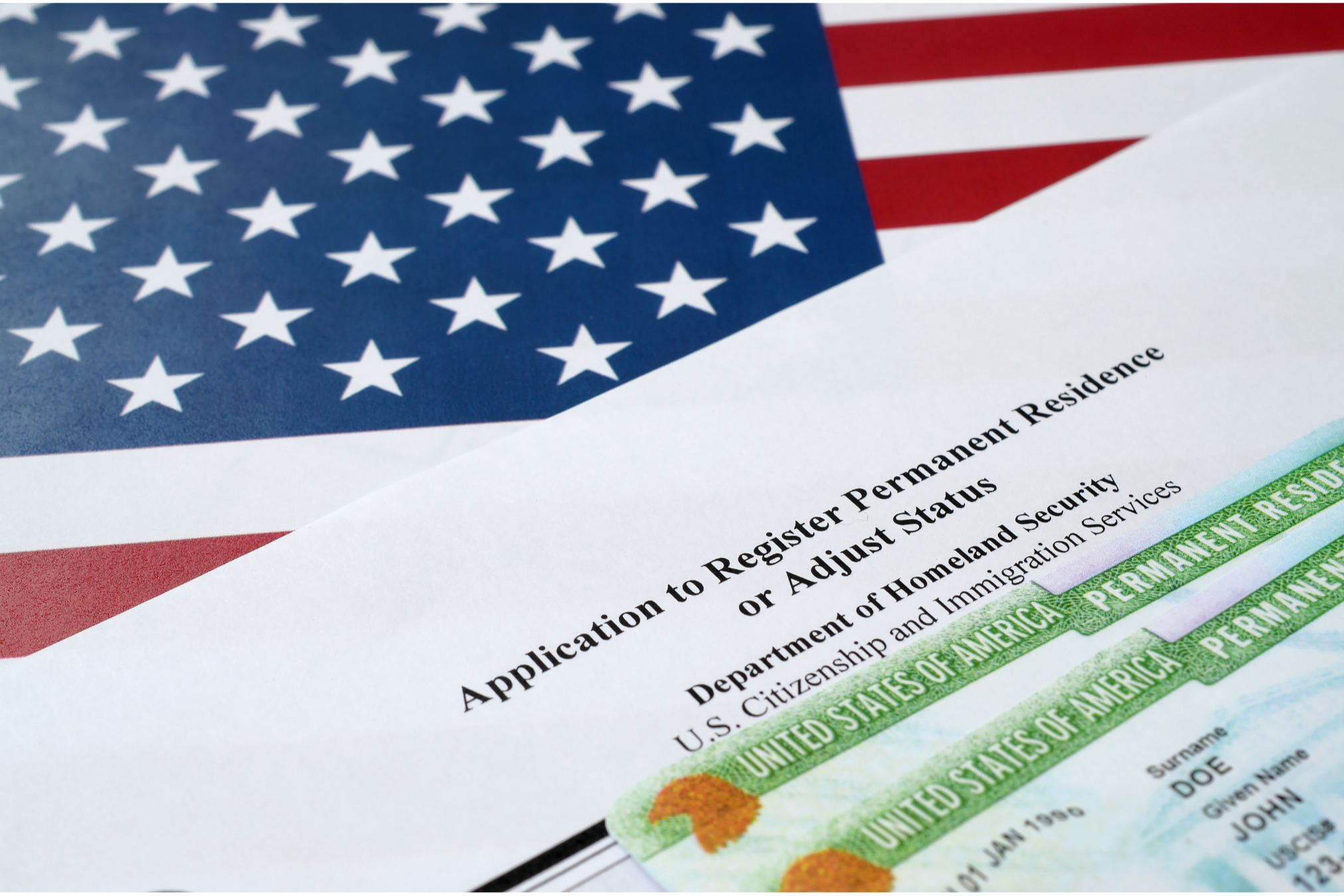
A green card is a much sought-after document, representing a tremendous step in an individual’s immigration journey. Green cards, or more formally called permanent resident cards, are issued to individuals who are granted lawful permanent residence status in the United States. There are two types of green cards: 2-year conditional green cards and 10-year permanent green cards. Both cards allow the cardholder to live and work in the U.S. legally, but their validity periods and renewal processes vary. Therefore, it is vital that you understand the type of card that you hold and the limitations and obligations it brings.
The Differences Between a 2-Year and 10-Year Green Card
2-Year Conditional Green Cards
A 2-year green card represents conditional permanent resident status. If certain actions are not taken in the correct time frame, the underlying immigration status can expire alongside the card. 2-year green cards are issued in certain marriage-based and immigrant investor cases.
10-Year Permanent Green Cards
A 10-year green card represents permanent or unending, legal permanent resident status. When a 10-year card expires, only the physical plastic card expires, not the status. However, it is best practice to keep your card up to date, as explained below.
Why did I receive a 2-year green card?
The purpose of a 2-year card is to prevent fraud. 2-year green cards are issued in marriage-based cases when the marriage is less than two years old at the time the card is approved (CR-1 status). The 2-year validity period allows U.S. Citizenship and Immigration Services (USCIS) to check in with the cardholder in two years to make sure that the marriage is truly bona fide, or entered into because the couple truly wants to have a life together, not for immigration purposes.
2-year green cards are also issued in EB-5 immigrant investors cases to confirm a valid immigrant investment.
Why did I receive a 10-year green card?
10-year green cards are issued in marriage-based cases when the conditions no longer apply: i.e. when the couple has already been married over two years at the time of approval (IR-1 status). 10-year cards are also issued if you became a legal permanent resident through an employer, other family members, or by humanitarian means.

What is the same?
Rights & Privileges
Both 2-year and 10-year green cardholders enjoy the right to work in the U.S., travel internationally (subject to certain requirements, discussed in our blog post here), and obtain a Social Security card and state driver’s license. Both conditional and permanent residents are eligible to apply for citizenship in three years — if applying based on marriage — or five years — if applying based on any other status. The two years spent in conditional legal permanent resident status count towards the three-year or five-year residency requirement for U.S. naturalization.
Responsibilities
Both 2-year and 10-year green card holders must pay federal, state, and local taxes. They have to obey all laws in the U.S. Furthermore, if a green cardholder is a male between the ages of 18 and 25, he must register for the Selective Service.

What is different?
2-Year Conditional Green Cards
To remove the conditions on their green cards, 2-year green cardholders must file either Form I-751 (if their status is based on marriage) or Form I-829 (if they are an immigrant investor).
In marriage-based cases, the conditional legal permanent resident must file Form I-751 during the 90-day window before the expiration of their green card. Failure to abide by this deadline can result in loss of status and being placed in removal processing, or immigration court. Form I-751 must be accompanied by updated proof of the couple’s bona fide marriage, such as children’s birth certificates, shared mortgages or leases, joint bank accounts, wills, etc. Once received, USCIS will send the cardholder an I-751 receipt notice extending the validity of the conditional green card for 24 or 48 months while the I-751 is pending. Often, couples are scheduled for an I-751 interview at their local USCIS Field Office to prove that the marriage is indeed bona fide.
10-Year Permanent Green Cards
Legal permanent residents with 10-year cards can replace an expired card by filing Form I-90 with USCIS. It is best to file the I-90 about six months before the card expires to avoid gaps in documentation and delays. Typically, USCIS does not interview I-90 applicants, but applicants may be asked to provide their biometrics, or fingerprints. Again, it is important to remember that the physical 10-year green card may expire, but the underlying status will not. All the same, an expired 10-year card can create complications when traveling internationally or verifying work authorization with a new employer. Hence, it is important to always keep your physical card up to date.

Common Complications
What if I get divorced?
Normally, Form I-751 is filed jointly by both spouses who, together, sign and submit the Form. Sometimes, however, joint filing is not possible. Marriages entered in good faith can still break down. USCIS understands this and provides for certain waivers from the joint filing requirement.
A 2-year conditional legal permanent resident who gets divorced before the two-year expiration date can apply for a waiver of the joint filing requirement. The divorcee must provide proof of divorce and robust evidence that the marriage was bona fide at conception but broke down. USCIS places a higher bar for proving the marriage was entered into in good faith in divorce cases. Divorcees seeking a waiver should consult trusted legal counsel who can help them creatively compile strong evidence to tell a compelling narrative.
It is important to note that the timing of the divorce matters. To seek a waiver based on divorce, the divorce needs to be finalized at the time of filing. If your divorce is still ongoing as the Form I-751 filing deadline approaches, you should seek help from a qualified attorney who can advise you regarding the specific timing and circumstances of your divorce.
Are there any other waivers of the joint filing requirement?
Yes. Conditional permanent residents can seek a waiver of the joint filing requirement in the following situations:
Death of a spouse: The green cardholder entered into the marriage in good faith, but the petitioning spouse died.
Battery or extreme cruelty: The green cardholder entered into a bona fide marriage, but during the marriage the petitioning spouse battered or subjected the green cardholder spouse and/or child to extreme cruelty.
Extreme hardship: Losing conditional permanent resident status and being removed from the U.S. would result in “extreme hardship.”
Divorce: see above
What if I miss my filing deadline?
In marriage-based cases, conditional permanent residents must file Form I-751 during the 90-day window before their green card expires. This is a hard deadline. Missing this 90-day filing window most often results in loss of status and initiation of removal proceedings. Individuals who have missed their filing deadline should seek legal counsel immediately.
Can time outside the U.S. affect my conditional green card?
Yes. If you spend too much time outside of the U.S., immigration officials may question whether you truly “reside” in the U.S. Generally, international trips over 6 months are faced with high scrutiny. Trips over one year automatically invalidate a green card for re-entry purposes, unless you secure a Re-entry Permit before leaving the U.S. For more information, see our Guide to International Travel for Green Card Holders.

Conclusion
Receiving a conditional, 2-year green card is often the culmination of hard work, much waiting, and hope. It is a memorable, much anticipated day for many. However, it is important to know the limitations and future obligations a conditional card brings.
Here at Baibak Law, we can guide you through the milieu of requirements, ever-evolving policies, and inflexible deadlines that come with a conditional green card. We have experience filing complex waivers and can creatively gather compelling evidence of a bona fide marriage. We will listen to your unique circumstances to craft a filing that is designed to both tell your honest story and help you reach your ultimate goals: a 10-year card and, eventually, citizenship. If you would like to discuss your particular situation, please contact us at (513) 203-5429 or schedule an initial consultation online.
Disclaimer: The information provided above, and on our website, is intended for general information purposes only and should not be construed as legal advice. This blog post shall not create an attorney-client relationship with the readers of its content.